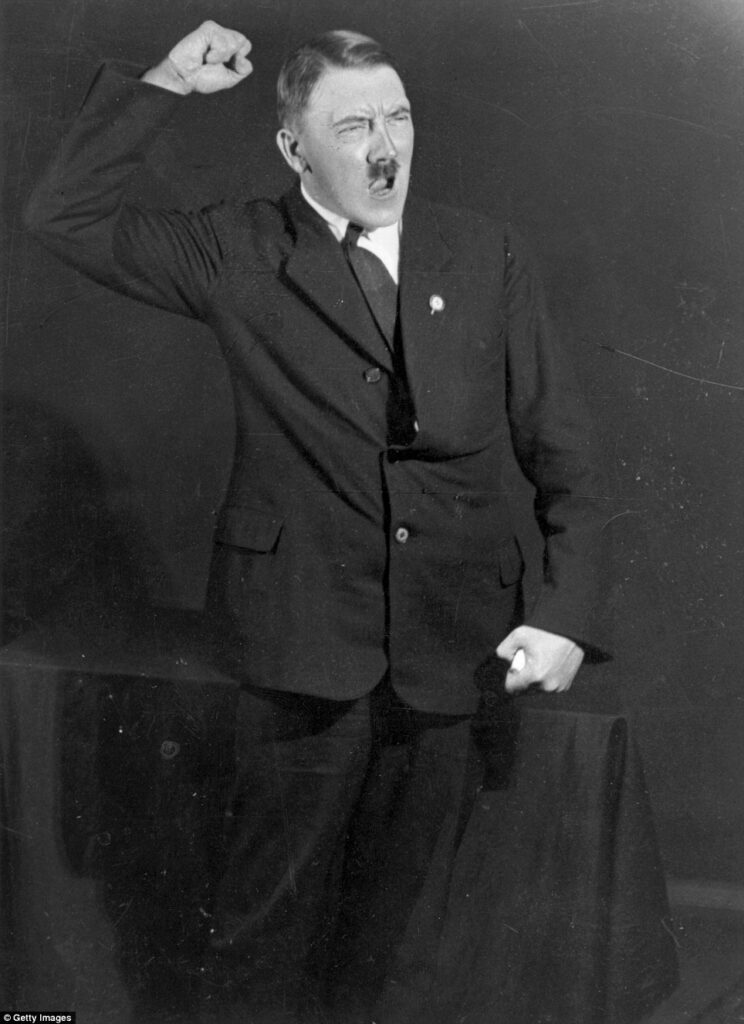
This course explores how Germany changed so dramatically between the two World Wars. We will follow the story of how a young democracy was slowly taken over and turned into a one-party dictatorship. Along the way, we look at the political decisions, economic pressures, social changes, and cultural shifts that shaped this journey. The four Key Topics help break the story into clear sections, but they link together and often overlap. This helps us to see just how fast events unfolded, and how complicated life in Germany was between 1918 and 1939.
How will you be assessed?
This is the only paper in which you will be assessed in all four of the assessment objectives. The questions may relate to any of the content. You will need to answer three questions; question 3 is divided into four parts. ● Question 1: 4 marks. Give two things you can infer from Source A about… You need to make 2 inferences and link them to the source. ● Question 2: 12 marks. Explain why… This is the same structure as the 12 mark question on papers 1 & 2. Use 3x PEEA paragraphs. ● Question 3(a): 8 Marks. How useful are Sources B and C for an enquiry into… Again you will have seen this question before on paper 1. Use 2x COP paragraphs. ● Question 3(b): 4 Marks. What is the main difference between these views? This is a unique question which focuses on AO4. You need to state the difference and give examples to support. ● Question 3(c): 4 Marks. Suggest one reason why Interpretations 1 and 2 give different views about… again a unique question targeting AO4. You need to explain why the two interpretations differ. You can use the sources to support your answer. ● Question 3(d): 16 marks. How far do you agree with Interpretation * about… This is the big question on this paper and has 4 SPAG marks attached bringing it to 20 marks total. You need to refer directly to interpretations and assess their argument and style. Use 3x PEEA +conclusion.